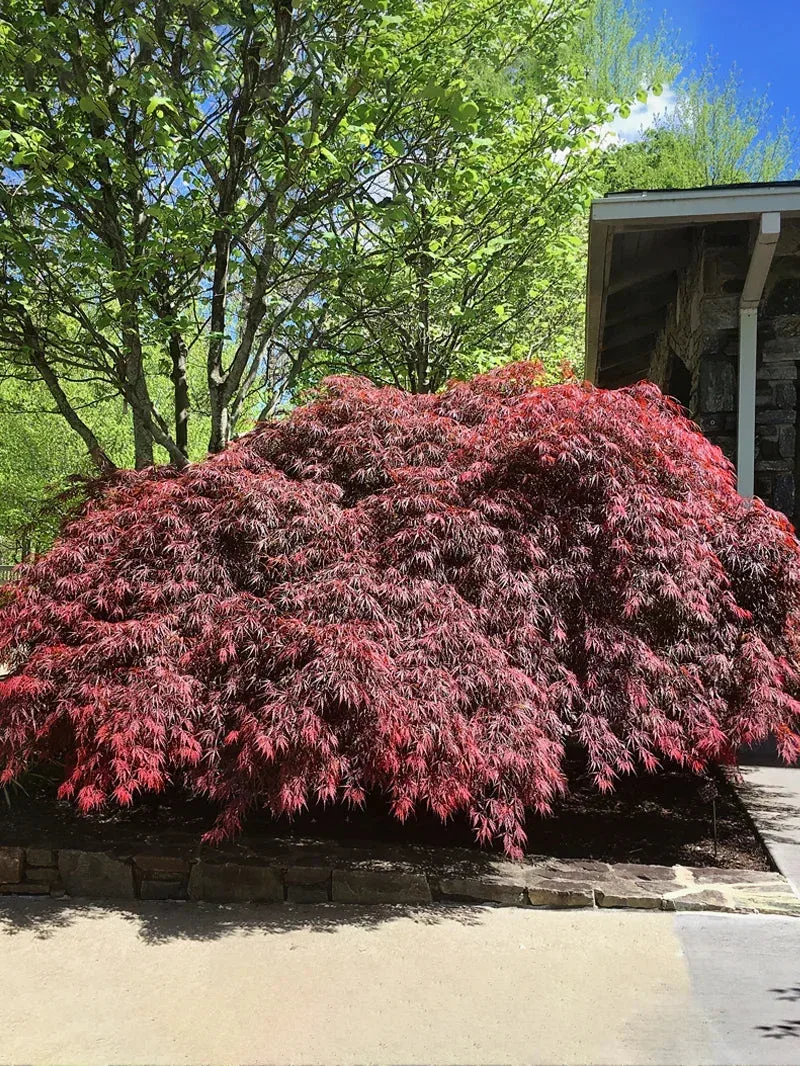
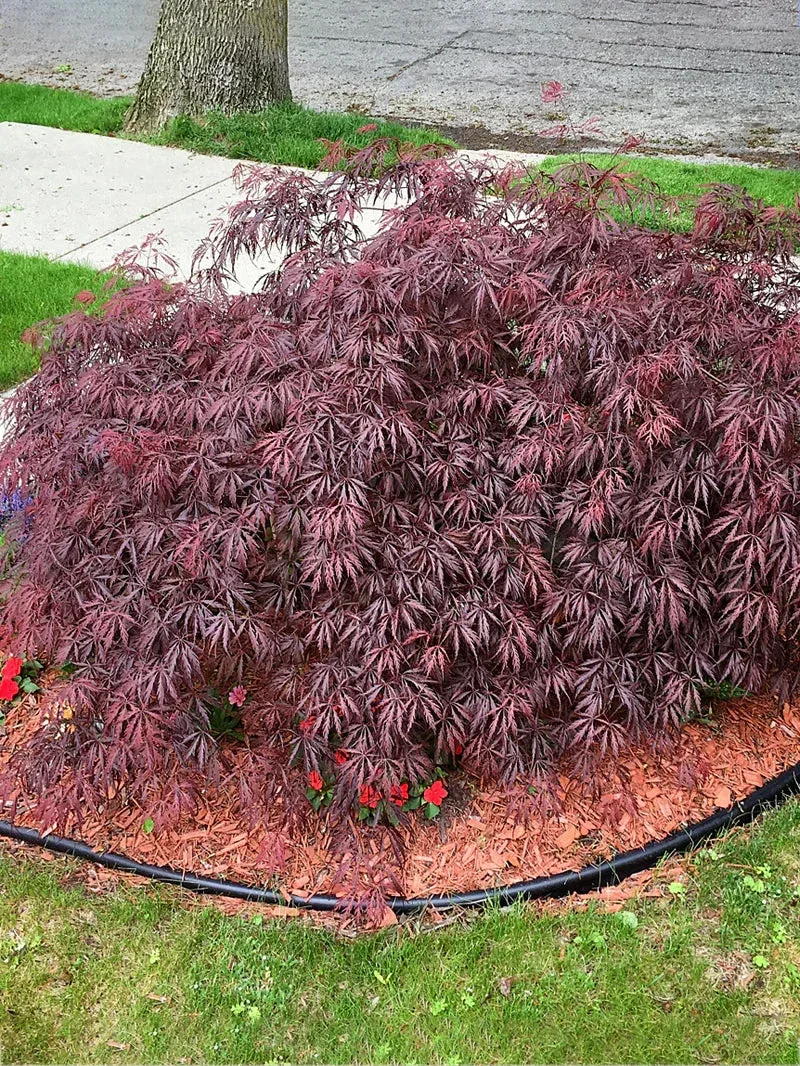
Tamukeyama Japanese Maple
Acer palmatum var. dissectum 'Tamukeyama'
Tamukeyama Japanese Maple: Weeping Cascading Form, Ready to Plant
- Weeping form creates striking focal points in gardens or containers
- Vibrant crimson-scarlet fall color
- Moderately deer resistant with slow, graceful growth
About this plant
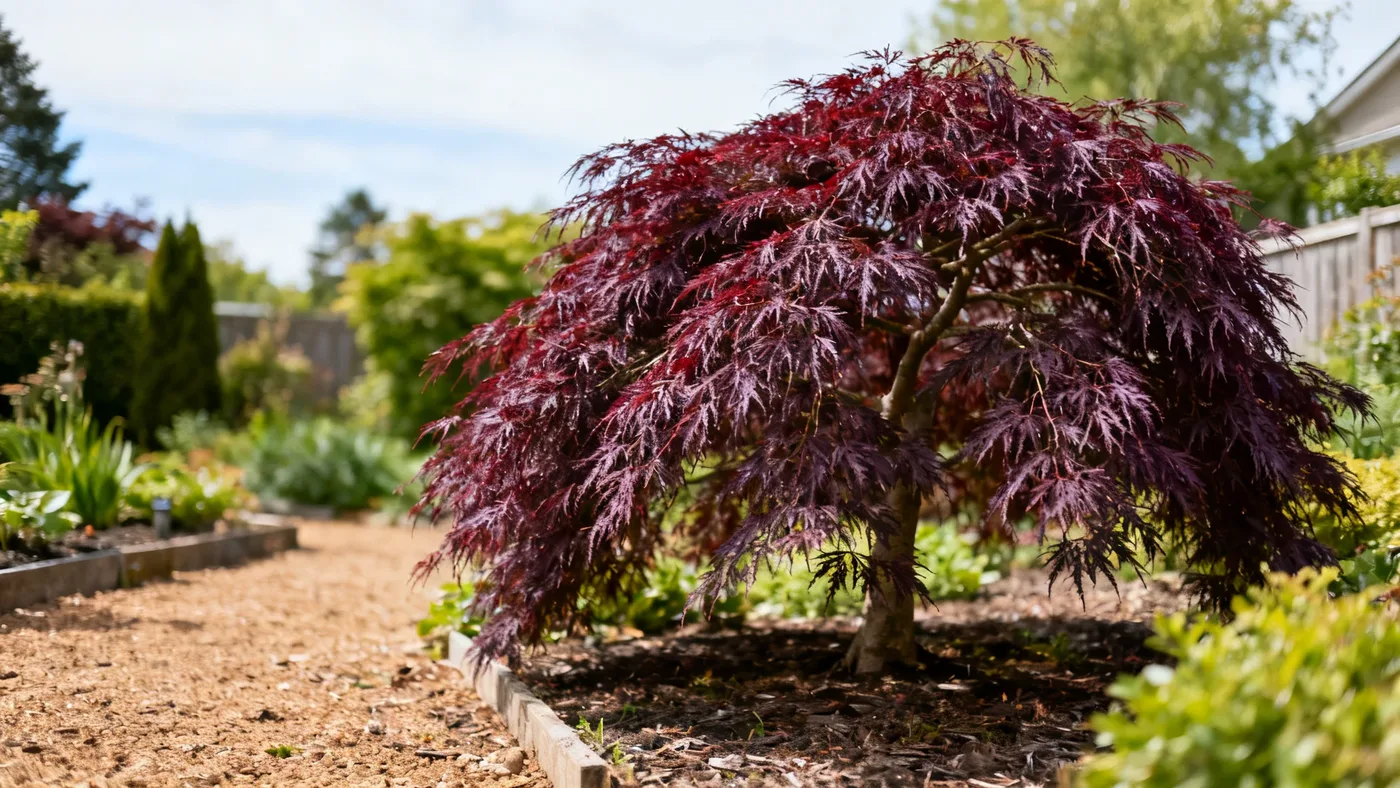
Tamukeyama is a deciduous Japanese maple with elegant weeping, cascading foliage that matures into a naturally spreading form. This slow-growing cultivar shines as a specimen or focal point in gardens, patios, and containers. Its delicate palmate leaves turn rich crimson to scarlet in fall, and its moderate deer resistance makes it suitable for most landscapes.
Your plant arrives in a nursery container. Upon arrival, place it in its intended location or a sheltered spot, and water thoroughly. Within the first week, ensure consistent moisture in well-drained soil, avoiding waterlogging. If planting into the ground, choose a location with afternoon shade in hot climates to prevent leaf scorch.
Giving Tamukeyama room to cascade
Its mound grows wider than tall, so allow 8 to 12 feet of width.
Lawn specimen
Let the weeping branches spill over a lawn or patio edge, 8 to 10 feet from other specimens.
Pondside
Beside a pond or water feature, the lacy red-purple leaves hold their color through summer.
Rock garden
Set it among stones with dwarf conifers and heuchera nearby for contrasting texture.
Large pot
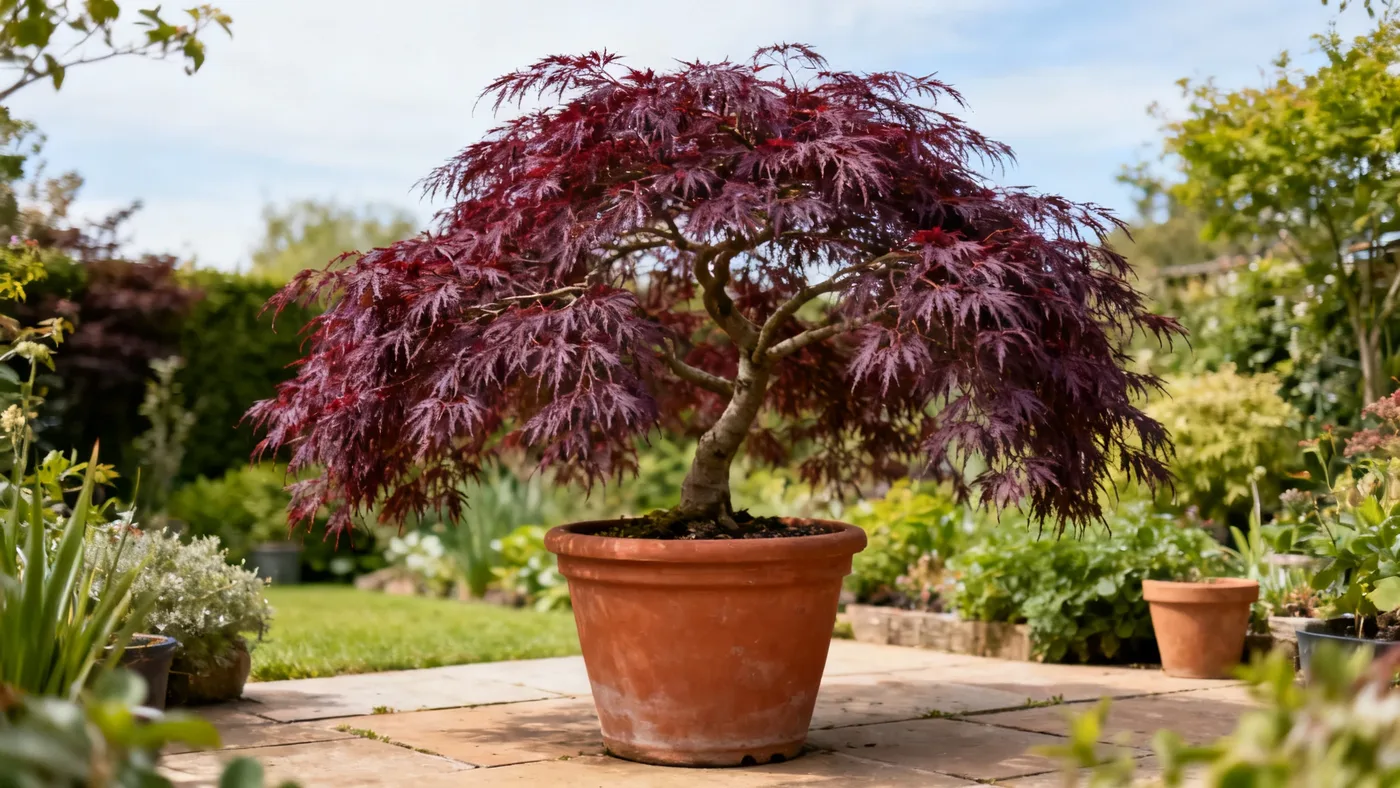
Big containers suit it, with the roots protected through winter in colder zones.
Not ideal for: Hot, dry exposures and salty ground scorch it, and young plants dislike drying out.
Tamukeyama Japanese Maple at a glance
| Botanical name | Acer palmatum var. dissectum 'Tamukeyama' |
|---|---|
| Plant type | deciduous shrub/small tree, weeping/cascading form |
| USDA zones | 5-8 (some nurseries list 5-9; performance in zone 9 depends on summer heat/afternoon shade) |
| Mature height | 6-10 ft (varies by source; can reach 8-12 ft after several decades) |
| Mature width | 8-12 ft, typically wider than tall due to cascading habit |
| Sun | full sun to partial shade; benefits from afternoon shade in hot-summer climates to prevent leaf scorch |
| Water | moderate, regular watering; consistent moisture in well-drained soil, more frequent watering for container specimens |
| Bloom time | spring, April-May |
| Bloom color | small, inconspicuous reddish-purple flowers |
| Growth rate | slow, roughly 6-12 inches per year |
| Deer resistance | moderate - generally considered deer resistant, though not deer-proof, especially for young plants |
| Best planting time | early spring or fall, avoiding extreme summer heat or winter freeze at planting time |
Container sizes explained
| Sprinter pot / 8 inch pot | Deep, narrow pots used for grafted maples and long-rooted stock. Height is a better guide than volume for these. |
|---|
Questions before you buy
Is the 2-3 foot size right for my needs?
At 2 to 3 feet tall, this specimen is established and ready to grow into its mature form. Tamukeyama grows 6 to 12 inches per year, eventually reaching 6 to 10 feet tall and 8 to 12 feet wide. Choose this size if you want an immediate focal point in your garden or patio.
When should I plant this upon arrival?
Plant or transplant immediately if your site is ready. If weather is extreme, keep the container in a sheltered spot with moisture and morning light until conditions improve. Spring and early fall planting give the best establishment.
How large does Tamukeyama grow?
Tamukeyama typically reaches 6 to 10 feet tall and 8 to 12 feet wide, though some can grow 8 to 12 feet tall over several decades. Its cascading, weeping form means width often exceeds height. Growth is slow at 6 to 12 inches per year, so it takes years to reach full size.
What are the sun requirements?
Tamukeyama grows in full sun to partial shade. Afternoon shade is beneficial in hot-summer regions to prevent leaf scorch. Morning sun with dappled afternoon light is ideal in warmer climates.
What USDA zones is this hardy in?
Tamukeyama is hardy in zones 5 through 8. Some sources list zone 9, though performance depends on summer heat and availability of afternoon shade. Container plants in colder zones need winter root protection.
What first-year care does it need?
Water consistently to keep soil moist but well-drained. Mulch the base to retain moisture and regulate temperature. Avoid heavy pruning; let the plant establish itself. Provide afternoon shade if you notice leaf scorch in direct sun.
Growing guides for Tamukeyama Japanese Maple
Buying a Tamukeyama Japanese Maple: Container Sizes to Know
Which pot sizes are worth paying for and what warning signs mean skip it
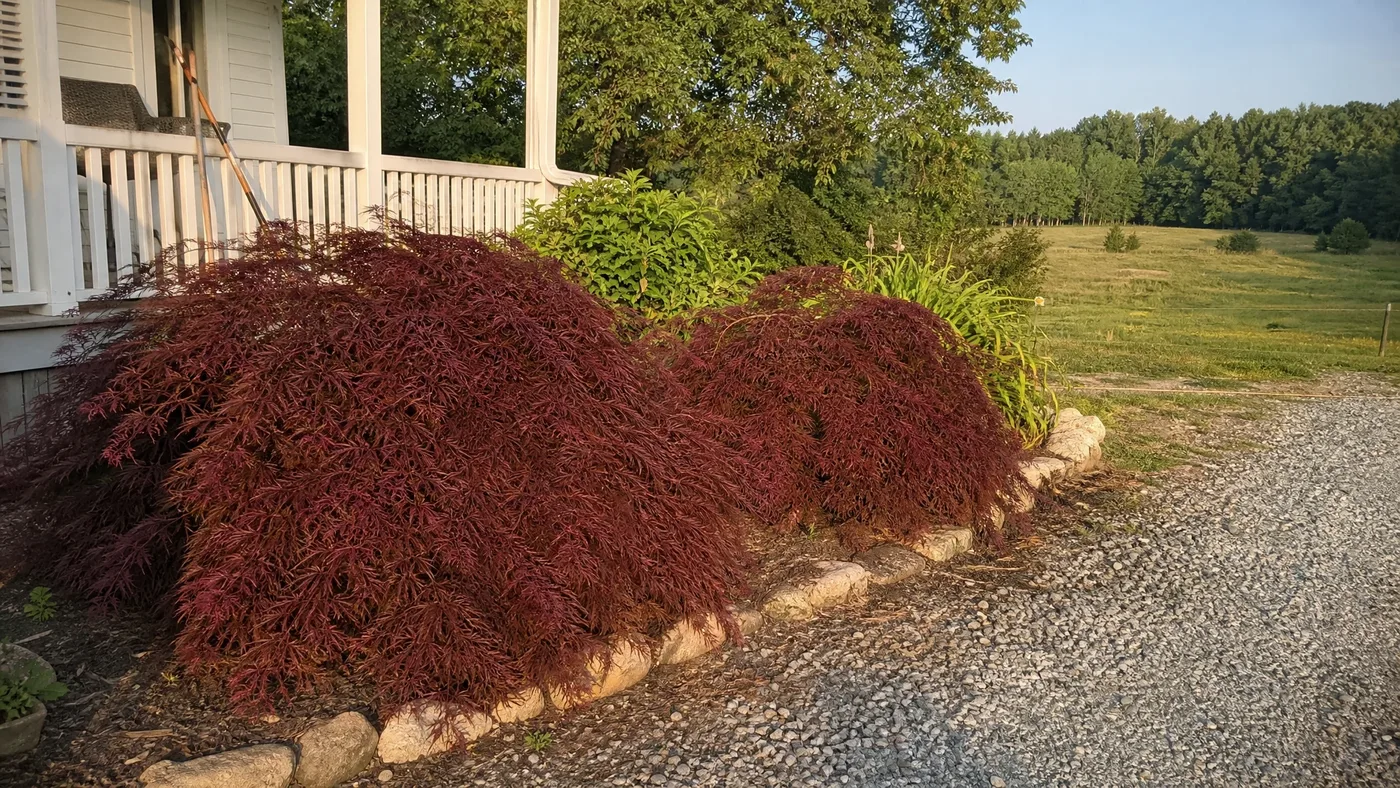
Tamukeyama vs Red Dragon Japanese Maple: Which to Plant?
Weighs summer leaf color, sun tolerance, and cascade shape against its Red Dragon rival
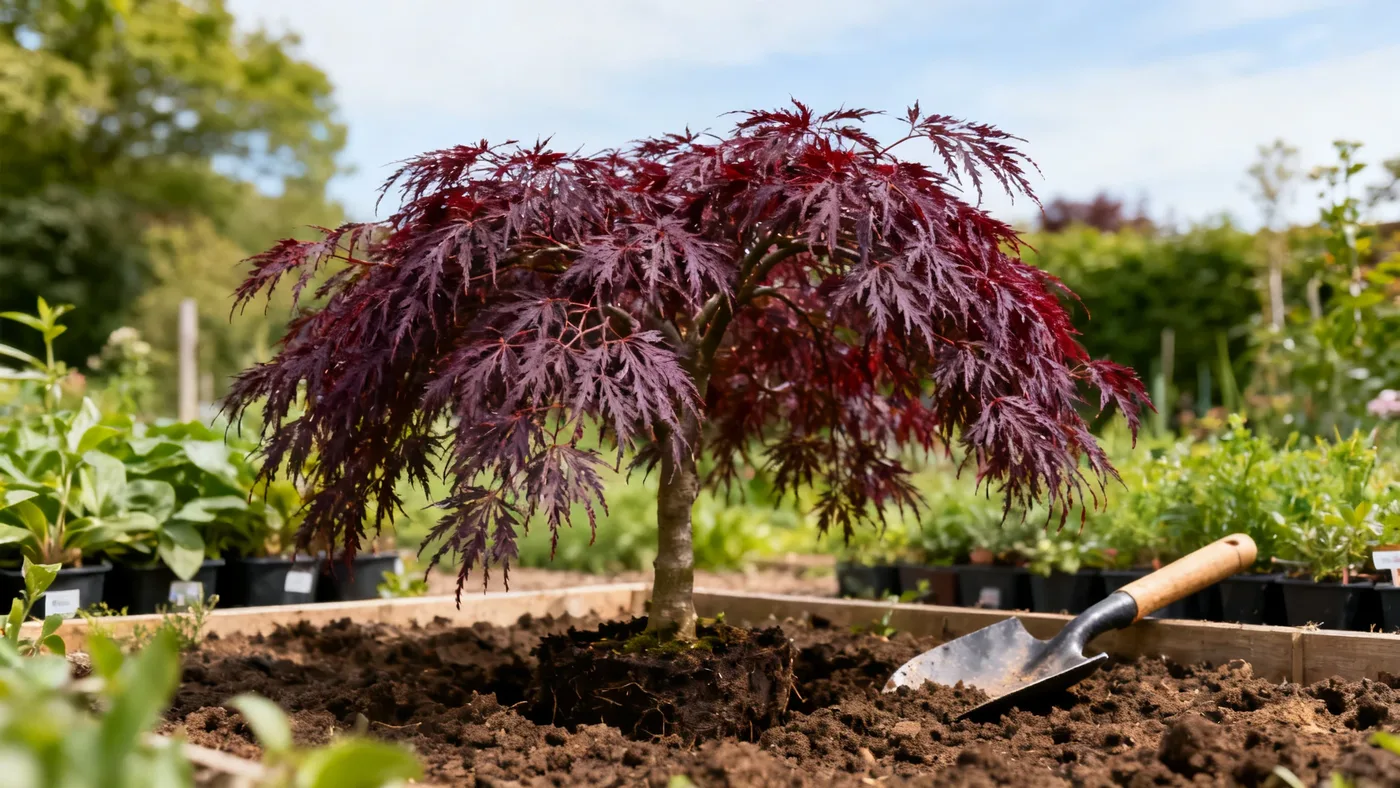
How to Plant a Tamukeyama Japanese Maple the Right Way
Walks through choosing a site, prepping soil, and spacing a young tree
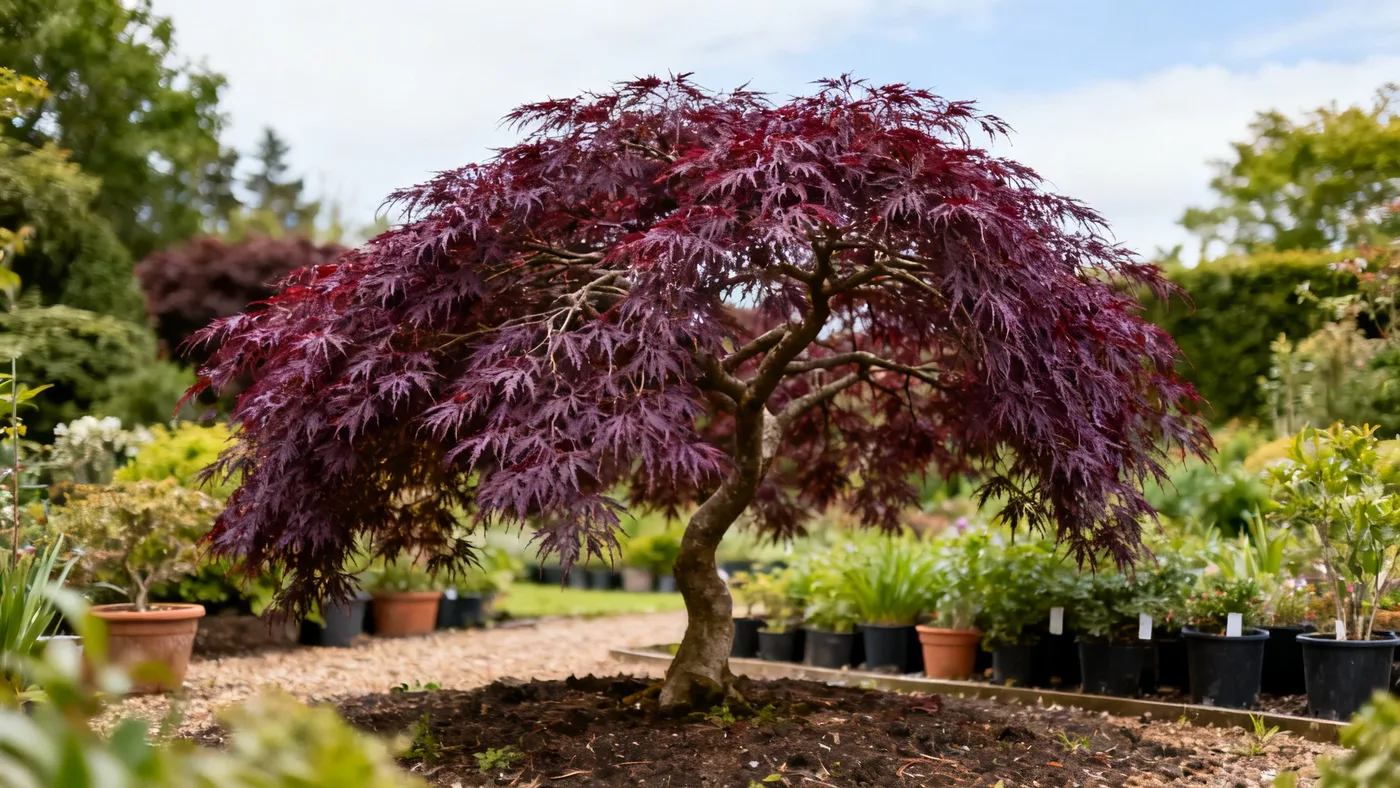
Tamukeyama Japanese Maple Care: The Complete Growing Guide
Keeps this lace-leaf maple healthy all year with simple water and pruning routines
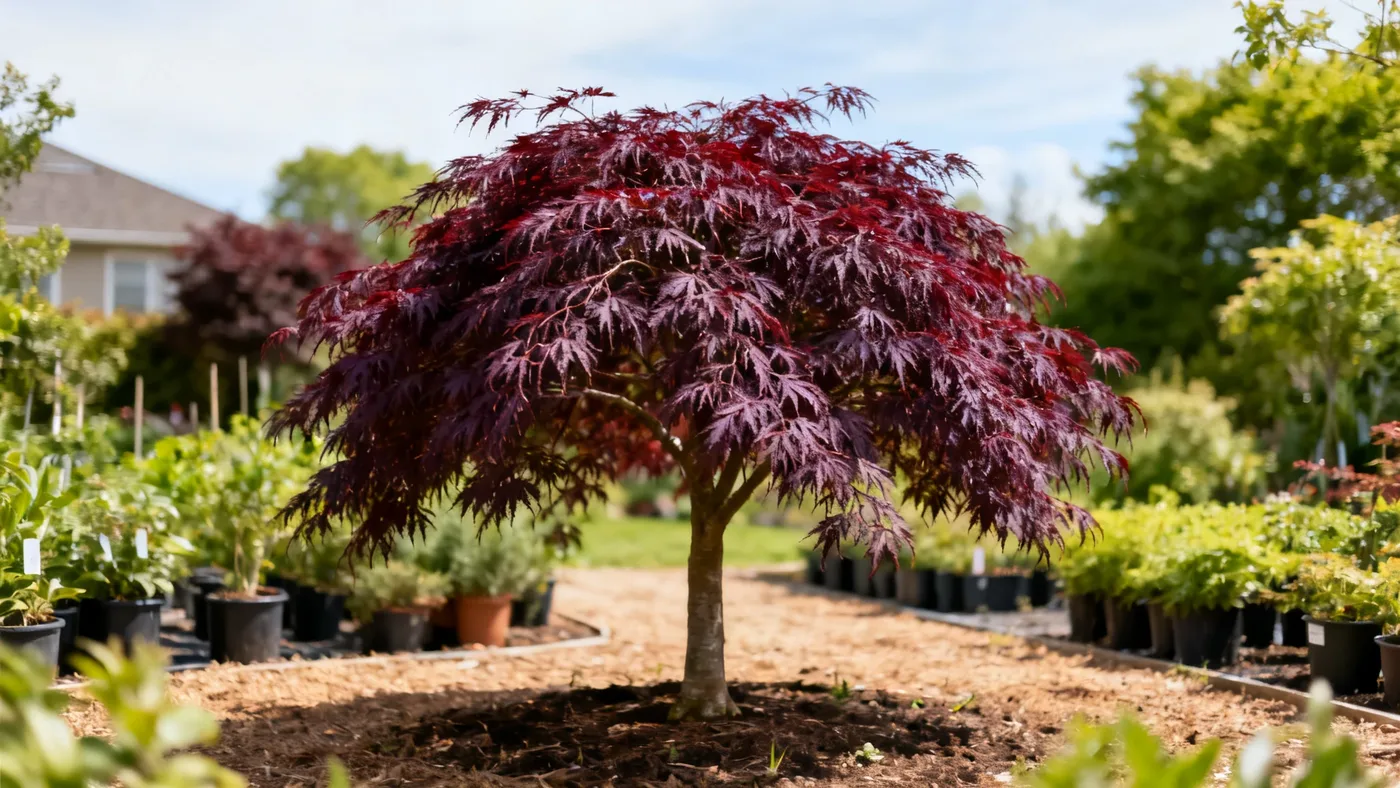
How Big Does a Tamukeyama Japanese Maple Really Get?
Explains its final size, how fast it grows, and the spacing to leave
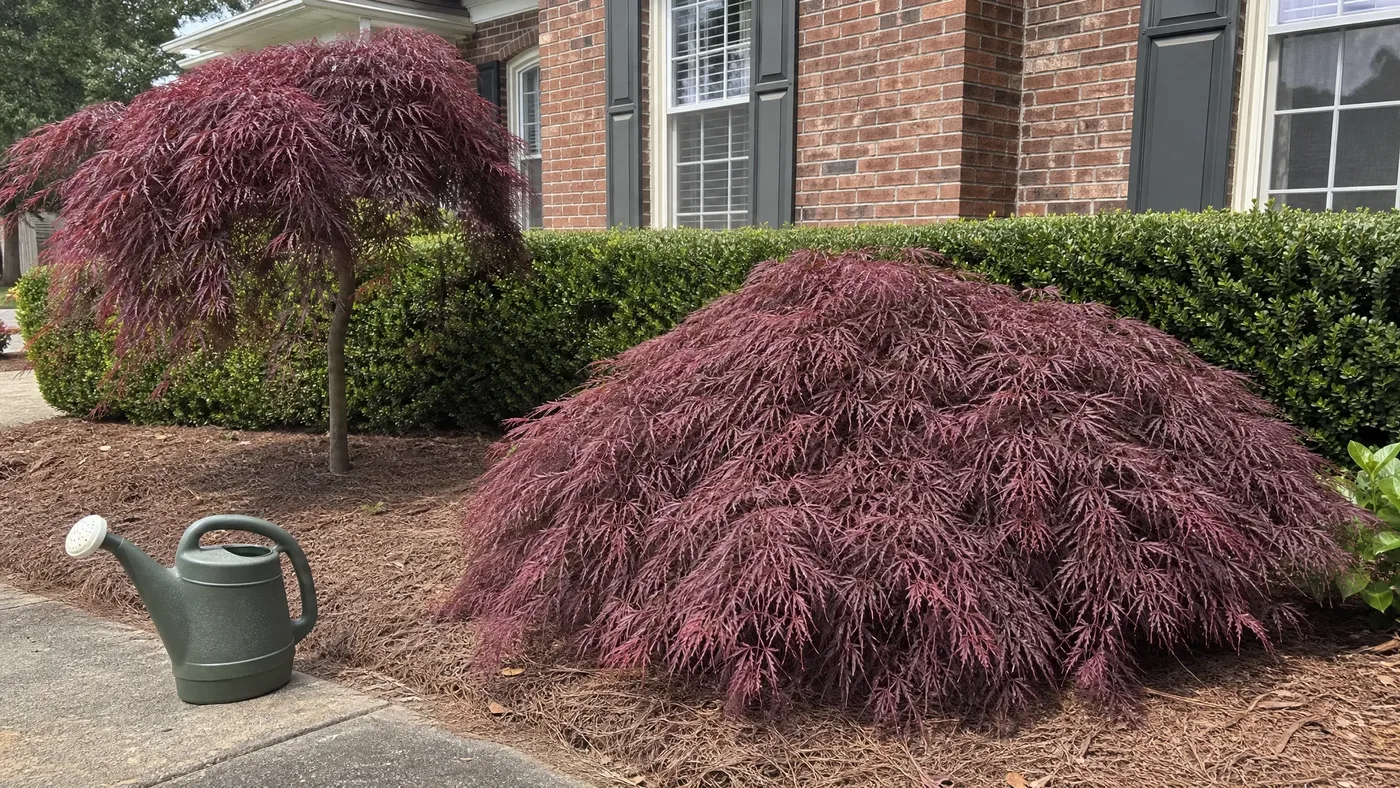
Tamukeyama Japanese Maple High Graft vs Low Graft
Choose a 4 to 5 foot trunk or a low mound, then stake it
What Hardiness Zones Suit Tamukeyama Japanese Maple Best?
Why zones 5 to 8 suit it best and what zone 9 growers face
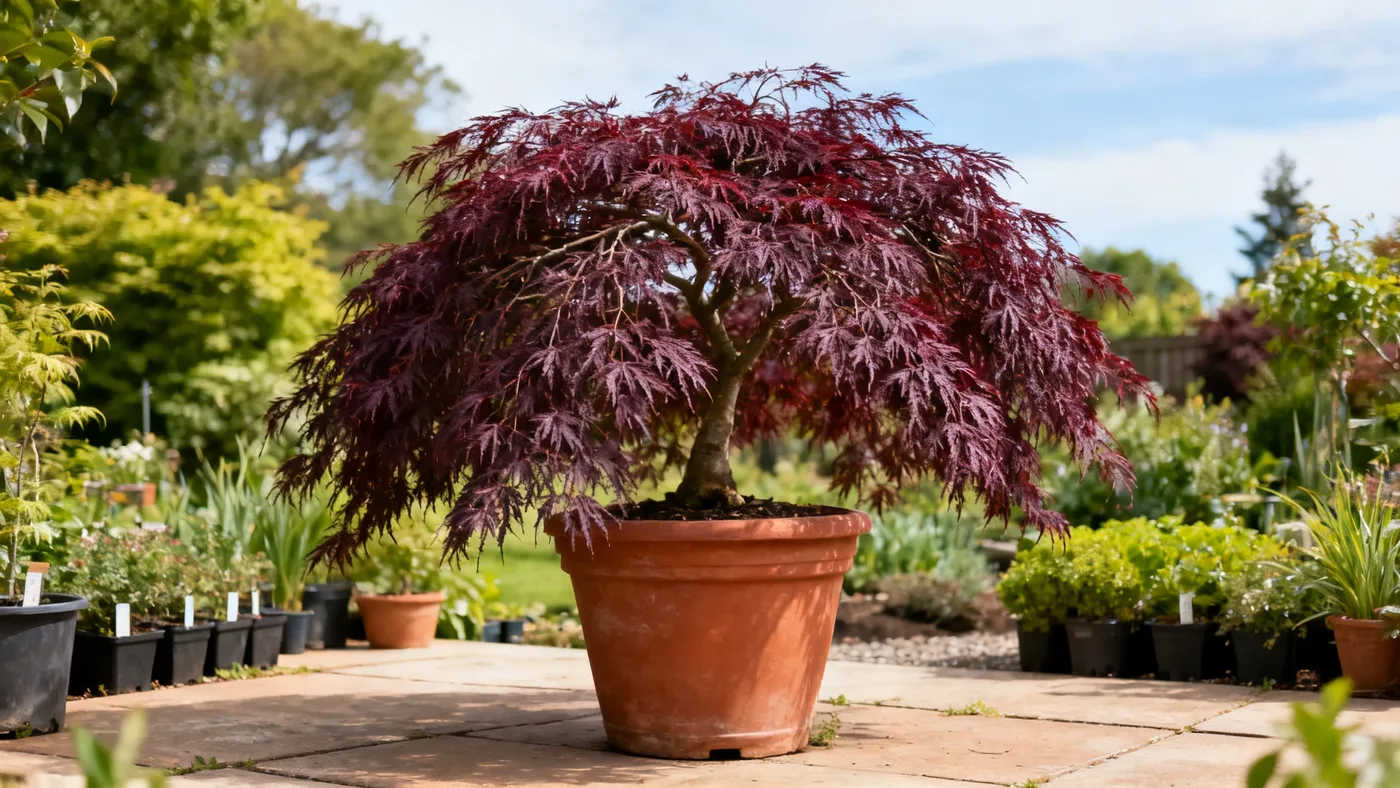
Growing Tamukeyama Japanese Maple in Pots and Containers
Shows how a weeping focal point can thrive in a pot with proper watering