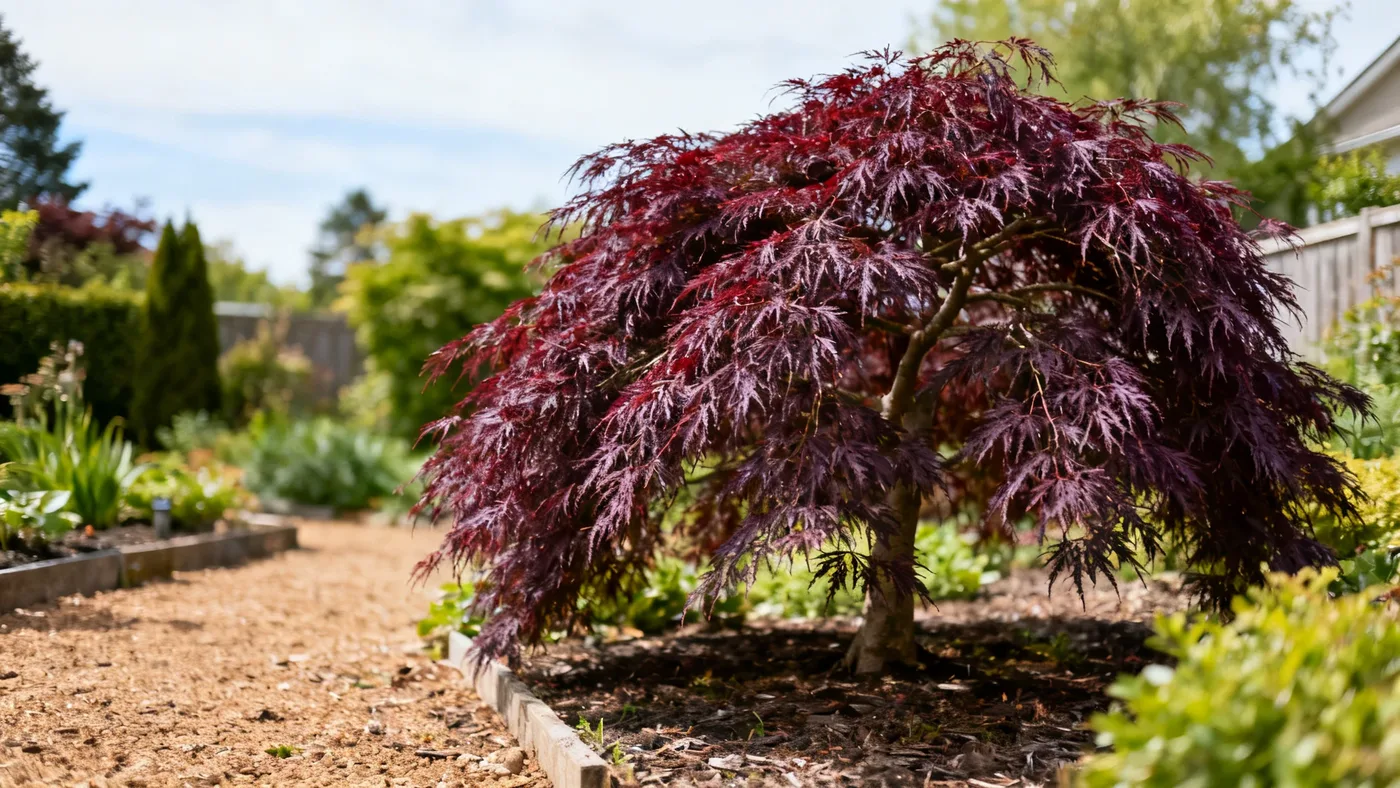
What Hardiness Zones Suit Tamukeyama Japanese Maple Best?
Tamukeyama Japanese Maple thrives in USDA hardiness zones 5 through 8, making it a reliable choice for gardeners across much of North America. While some nurseries list zone 9 as possible, success there depends heavily on afternoon shade and careful siting to prevent leaf scorch. Understanding which zone you're in and how to adapt your care will help this stunning plant reach its full potential in your garden.
Basic Zone Information and Hardiness Range
What USDA zones suit Tamukeyama Japanese Maple best?
Tamukeyama Japanese Maple grows reliably in USDA hardiness zones 5-8, spanning regions from the Upper Midwest through the Mid-Atlantic and into the Southeast. The plant's deep red-purple foliage and weeping form make it a prized specimen across these regions, where winter minimum temperatures don't typically fall below the zone 5 threshold of negative 20 degrees Fahrenheit. Zones 5-8 provide the ideal balance of winter protection and summer conditions for this cultivar to thrive and display its signature colors year-round.
Is zone 5 too cold for Tamukeyama?
No, zone 5 is well within the tamukeyama japanese maple hardiness zone range, and many gardeners in zone 5 grow these trees successfully for decades. The key is protecting young plants during their first winter and choosing a site with good air drainage to avoid cold pockets where frost settles. Once established after 3-4 years, Tamukeyama is quite hardy to zone 5 winters, though applying 2-3 inches of mulch around the base during the first few years reduces winter stress on shallow roots significantly.
Can I grow Tamukeyama in zone 9?
Growing Tamukeyama Japanese Maple in zone 9 is possible but more challenging than in zones 5-8, with success depending heavily on summer heat and shade availability. The tree risks significant leaf scorch without 2-4 hours of daily afternoon shade protection, particularly between 2 p.m. and 6 p.m. when the sun is most intense. If your zone 9 location experiences consistently hot summers with temperatures regularly exceeding 90 degrees Fahrenheit in July and August, zone 9 growing is not recommended without shade structures already in place.
What makes a zone different from just temperature?
USDA zones measure only the average minimum winter temperature, but what zone for tamukeyama maple also encompasses spring frosts, summer heat extremes, humidity levels, and soil drainage conditions in your region. A tree rated hardy to zone 8 might still struggle in a particular zone 8 location with intense afternoon sun, heavy clay soil, or high summer humidity. Zone assignments give you a starting point, but your specific microclimate and site preparation are equally critical to long-term success.
Understanding Heat Tolerance and Summer Stress
What's the difference between cold hardiness and heat tolerance?
Hardiness refers to a plant's ability to survive the lowest winter temperatures in a zone, while heat tolerance describes how well it handles summer extremes and drought stress. Tamukeyama is hardy to zone 5 winters but has moderate heat tolerance and performs best when summer temperatures stay below 85-90 degrees Fahrenheit. This critical distinction is why afternoon shade is essential in hot-summer climates like parts of zone 8 and throughout zone 9.
How do hot summers weaken cold hardiness?
Trees stressed by excessive summer heat, drought, or sun exposure may enter winter weakened and more vulnerable to freeze damage and winter kill. Consistent watering, afternoon shade in hot climates, well-drained soil, and avoiding excessive nitrogen fertilizer help Tamukeyama recover from summer stress and build the reserves needed for winter dormancy. A healthy, vigorous tree will survive zone 5 winters far better than a drought-weakened or heat-scorched specimen.
Does afternoon shade help in hot zones like zone 8?
Yes, afternoon shade is essential for growing Tamukeyama Japanese Maple successfully in zones 8 and especially zone 9, where it benefits significantly from shade to prevent leaf scorch. Even in zone 7 locations with hot summers, providing 2-4 hours of afternoon shade reduces stress measurably and helps the tree retain its deep red-purple foliage color and vigor. Without shade in high-heat zones, leaves yellow or brown by mid-July, the tree's water demand increases sharply, and recovery is slow.
What happens if I plant Tamukeyama in zone 9 without afternoon shade?
Planting without afternoon shade in zone 9 will likely result in significant leaf scorch, where foliage edges turn brown or crispy by midsummer, making the tree appear stressed and weakened. The tree may survive the zone 9 winter itself, but repeated summers of heat stress will compound year after year, weaken the plant's overall vigor, and shorten its lifespan considerably. If you're in zone 9 and lack afternoon shade, it's better to choose a different plant species or create permanent shade with a taller tree, pergola, or shade structure first.
How does wind exposure affect winter hardiness?
Wind exposes the thin, lacy foliage and delicate branch structure of Tamukeyama to damaging cold desiccation in winter and to breakage from heavy wet snow or ice. In zone 5 and zone 6 locations prone to winter winds, position the tree where it has natural windbreak protection from larger trees, buildings, or landforms. Sheltered sites also help retain soil moisture and reduce winter desiccation stress on an otherwise hardy tree.
Foliage Color, Planting Timing, and Spring Frosts
Does afternoon shade reduce the tree's red-purple color?
Afternoon shade prevents the fading and scorching that intense sun causes but does reduce the intensity of the tree's deep red-purple color slightly compared to full-sun specimens in cooler climates. However, this trade-off is worthwhile in hot zones, because a sun-scorched tree with brown edges and weakened growth looks far worse than one with slightly paler but healthy foliage. The tree still displays excellent red-purple summer color and delivers brilliant crimson-to-scarlet fall color even in partial shade environments.
When should I plant Tamukeyama in different zones?
Plant in early spring or fall in most zones, but the safest timing varies: in zones 5-6, early spring is ideal so the tree establishes roots before its first winter dormancy; in zones 7-8, either spring or fall works well, though fall planting can be risky if frost arrives earlier than typical. Avoid planting in late summer or peak winter anywhere, as the tree needs time to settle and send out roots before facing extreme temperatures.
Is spring or fall planting better for zone 5?
Spring planting is generally safer in zones 5-6 because it gives the tree a full growing season to establish roots and store energy before facing its first winter dormancy period. In zones 7-8, fall planting (September through November) can work very well if you allow at least 6-8 weeks before the first hard frost date in your area. In either case, water consistently throughout the first year and apply 2-3 inches of mulch to protect the shallow root system.
Will Tamukeyama survive a late spring frost after planting?
A late frost after spring planting can damage tender new growth and set the tree back a few weeks, but it rarely kills an established tree outright, and new leaves will usually emerge after the frost event passes. The critical factor is that the tree survived the winter dormancy period itself; spring frosts are a seasonal variation that Tamukeyama is built to handle. Don't panic if you see browning after a late frost, as recovery is typically quick.
Winter Protection, Mulch, and Container Growing
What winter protection do I need in zone 5?
For the first 2-3 years after planting, apply 2-3 inches of mulch around the base of your Tamukeyama to moderate soil temperature swings and protect shallow roots from freeze-thaw cycles. In severe zone 5 winters with thin snow cover, you can add a burlap wrap around the trunk and lower branches if you see significant frost crack risk on young bark. Once the tree is established after 3-4 years, minimal winter protection is needed beyond the natural mulch layer that accumulates over time.
Can mulch help me grow Tamukeyama in zone 4?
Mulch improves soil moisture retention, root protection, and moderates temperature swings, but it cannot override your zone's hardiness limits or allow a zone 9 plant to survive zone 4 winters. However, proper mulch depth (2-3 inches) does help zone 5 and zone 6 specimens survive harsher-than-average winters and recover faster in spring. Think of mulch as a helper that reduces stress and improves survival odds, not a substitute for choosing a hardy cultivar appropriate for your actual zone.
Can I bring a potted Tamukeyama indoors for winter?
You can, but it's not ideal for long-term health; container-grown trees need a dormancy period in cold, unheated conditions to maintain their vigor and bloom-set year after year. If you're in zone 5-6 with a potted Tamukeyama, move the entire container to an unheated garage, shed, or cold frame for winter rather than keeping it in a warm house. For zone 8-9 gardeners growing Tamukeyama in containers, a sheltered outdoor location (patio against a building, or under an eave) is often enough winter protection without moving the tree indoors.
How does soil drainage affect winter survival?
Poor drainage is one of the primary reasons Tamukeyama fails in any zone because waterlogged soil promotes root rot and weakens the tree before winter stress even arrives to test its hardiness. Well-drained soil is more important to winter survival than mild zone temperatures alone, and soggy conditions kill even zone-hardy trees. When planting, use a rich, well-drained loam and amend heavy clay soils with compost or perlite to ensure water drains quickly after rain or snowmelt.
Microclimates and Site Selection
What about microclimates within my zone?
Your garden's actual microclimate can be half a zone warmer or colder than your official USDA zone, depending on proximity to large water bodies, urban heat absorption, shade from buildings or trees, or elevation changes in your area. A south-facing wall, reflected heat from pavement, or shelter from nearby trees all influence dramatically how a tree experiences winter cold and summer heat stress. Before planting, observe how cold your specific microclimate actually gets, whether wind is a consistent problem, and how much afternoon sun reaches your intended planting spot.
Are there microclimates within my own garden?
Yes, microclimates vary significantly within a single property: the north side of a building is typically 2-5 degrees Fahrenheit colder than an open lawn, and a low-lying area where cold air drains downhill can be surprisingly harsh even in mild zones. In your garden, the sunniest, most exposed spot experiences more summer heat stress than a nearby location under partial tree shade or near a structure. Spend a full season observing your garden before committing Tamukeyama to a permanent location, and you'll place it where it thrives rather than struggles.
How do I know if my zone is ideal for Tamukeyama?
If you're in zones 5-8, your region is within the ideal tamukeyama maple cold hardiness range and the tree should thrive with standard care and proper planting. If you're in zone 4, the tree is not reliably hardy and you should choose a different cultivar or grow it as a container specimen moved to protection. If you're in zone 9, success is conditional on afternoon shade, excellent drainage, and consistent moisture; consider it a possible but challenging match requiring extra attention.
Troubleshooting: When Things Go Wrong
What causes leaf scorch even in a cool zone?
Even in cool zones like 5-6, Tamukeyama can experience leaf scorch from wind exposure, inconsistent watering during dry spells, or unusually hot years during drought conditions. Leaf scorch, characterized by browning of leaf edges, is an environmental stress response rather than a disease, and the tree recovers the following year if you restore consistent moisture and mulch. To prevent scorch, maintain 2-3 inches of mulch, water during dry spells, and avoid planting in wind tunnels even in otherwise cool climates.
Why is my Tamukeyama yellowing despite being in the right zone?
Yellowing in this acid-loving plant is often chlorosis, caused by alkaline soil that locks up iron and other micronutrients needed for healthy green foliage. Even in the correct hardiness zone, severe chlorosis can make the tree look sickly and weaken it against environmental stress and pests. Test your soil pH (it should be slightly acidic to neutral, around 5.5-6.5 range) and adjust if needed using elemental sulfur or acidifying compost.
How often do winter-kill events occur in zone 5?
Hard winter-kill of established, healthy Tamukeyama in zone 5 is quite rare if the tree is well-sited in a sheltered location with good soil drainage. Occasional years with extreme cold or unusual spring frosts may damage exposed branches or new foliage, but the tree's core trunk and root system rarely die outright. Young or newly planted trees are more vulnerable than mature specimens, which is precisely why 2-3 years of mulch protection and site care matter significantly in zone 5.
Quick Reference: Zone-by-Zone Suitability Guide
| USDA Zone | Winter Minimum | Tamukeyama Suitability | Key Care Points |
|---|---|---|---|
| Zone 4 | -30 to -20°F | Not Recommended | Too cold for reliable outdoor growing; choose cold-hardy alternatives |
| Zone 5 | -20 to -10°F | Excellent | Mulch young plants 2-3 years; site away from wind; full sun to partial shade |
| Zone 6 | -10 to 0°F | Excellent | Very reliable; minimal special care once established; standard watering and mulch |
| Zone 7 | 0 to 10°F | Excellent | Add afternoon shade if summers exceed 85°F regularly; otherwise very low-maintenance |
| Zone 8 | 10 to 20°F | Very Good | Afternoon shade strongly recommended; consistent moisture essential; monitor for heat stress |
| Zone 9 | 20 to 30°F | Conditional | Only with 2-4 hours daily afternoon shade; needs excellent drainage and consistent water; high risk of leaf scorch |
Next Steps: Planting and Long-Term Care
Once you've confirmed your zone and assessed your garden's microclimate, you're ready to select a planting location and establish your Tamukeyama successfully. For step-by-step guidance on site preparation, spacing, digging technique, and amendments, read our full guide on how to plant a Tamukeyama Japanese Maple the right way. For comprehensive seasonal care instructions including watering, fertilizing, pruning, and year-round maintenance schedules, see our complete growing guide for Tamukeyama Japanese Maple care.