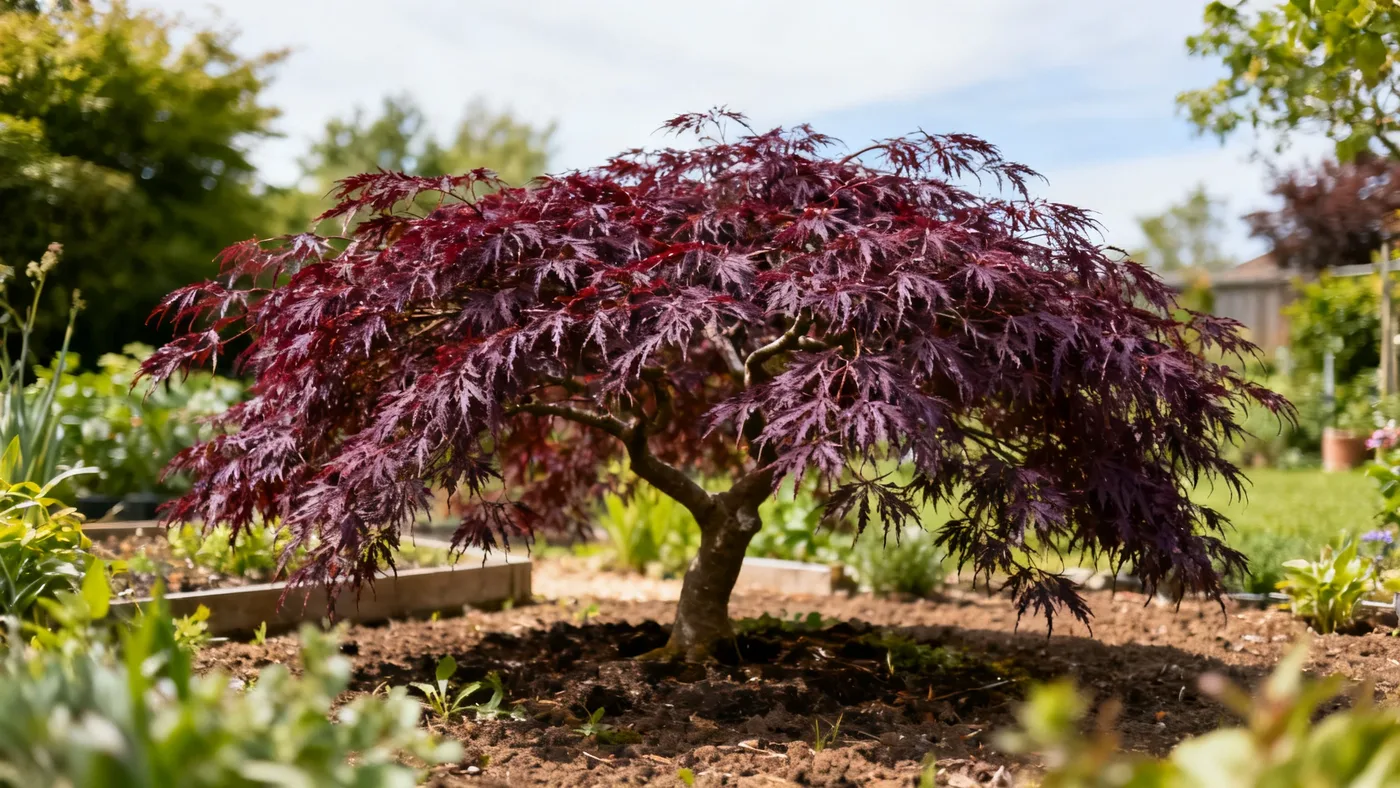
Is Tamukeyama Japanese Maple Toxic to Dogs or Cats?
If you own a dog, cat, or other household pet and you're considering planting a Tamukeyama Japanese Maple, you can put your worries to rest. This stunning weeping cultivar is completely non-toxic to pets. The ASPCA Animal Poison Control Center confirms that Japanese maple (Acer palmatum), including the 'Tamukeyama' variety, poses no poisoning risk to dogs, cats, rabbits, horses, or any common household or farm animal. Below, we address the most common questions pet owners have about growing this beautiful plant alongside their animals.
General Toxicity and Safety
Is Tamukeyama Japanese Maple toxic to pets?
No, Tamukeyama Japanese Maple is not toxic to dogs, cats, or other common household pets. The ASPCA lists Japanese maple (Acer palmatum) as non-toxic, which includes the 'Tamukeyama' cultivar. You can grow this beautiful tree in a home with pets without concern about toxicity.
Why do people worry that Japanese maple might be toxic?
Some plant owners confuse Japanese maple with other toxic plants, or they may have heard outdated information from older gardening sources. Additionally, the tree's delicate appearance and association with Asian gardens sometimes leads people to assume it might be poisonous. In reality, extensive research on Acer palmatum by veterinary toxicologists has consistently shown it poses no toxic risk.
Is every part of Tamukeyama Japanese Maple safe for pets?
Yes, every part of the plant is safe, including the leaves, seeds, bark, and branches. Pets can safely contact, chew on, or ingest any part of a healthy Tamukeyama without experiencing poisoning. The only real risk is if the tree has been treated with pesticides or fungicides, so avoid chemical treatments if pets have direct access to the plant.
What does the ASPCA say about Japanese maple toxicity?
The ASPCA Animal Poison Control Center lists Acer palmatum as non-toxic to pets. This designation is based on scientific research into the plant's chemical composition and the absence of documented cases of toxicity in animals. You can reference this information with your veterinarian if you want official confirmation for your records.
Safety for Dogs
Is Tamukeyama Japanese Maple safe for dogs?
Yes, Tamukeyama Japanese Maple is completely safe for dogs. Even if your dog chews on the leaves, branches, or ingests fallen foliage, it will not cause poisoning. The only concern with any plant and dogs is physical obstruction if very large pieces are swallowed, not toxicity.
Can dogs eat Japanese maple leaves?
Dogs can safely eat Japanese maple leaves without any toxic effects. Eating large quantities of plant material of any kind may cause mild digestive upset, just as it would with grass or other non-toxic plants. Most dogs who nibble on the delicate foliage experience no problems at all.
What should I do if my dog chews on the tree?
If your dog chews on a Tamukeyama Japanese Maple, there is no need for concern regarding poisoning. Monitor your dog for any signs of physical discomfort or digestive upset, though these are unlikely to occur. If you notice vomiting, diarrhea, or loss of appetite unrelated to the plant contact, contact your veterinarian.
Will a Tamukeyama Japanese Maple hurt my dog if planted in the yard?
No, a Tamukeyama Japanese Maple will not hurt your dog from a toxicity standpoint. The weeping form and lacy foliage are not sharp or dangerous, though the tree's delicate branches could be damaged if a large dog plays roughly nearby. The tree thrives best in a quiet corner of the yard with minimal foot traffic.
Safety for Cats
Is Tamukeyama Japanese Maple toxic to cats?
No, Tamukeyama Japanese Maple is not toxic to cats. The ASPCA confirms that Japanese maple poses no toxicity risk to felines. Cats can safely be around this plant indoors or outdoors without any poisoning danger.
Can cats safely chew or eat Japanese maple leaves?
Yes, cats can safely chew and eat Japanese maple leaves without risk of toxicity. Like dogs, cats may experience mild digestive upset if they ingest very large amounts of plant material, but this is mechanical, not toxic. Most cats show little interest in the delicate foliage anyway.
Is Tamukeyama safe as a container houseplant for cat owners?
While the plant is non-toxic to cats, growing a full Tamukeyama indoors is impractical since it needs consistent outdoor growing conditions and reaches 6 to 10 feet tall at maturity. If you have a small juvenile plant in a container indoors, your cat can safely be around it. The plant's slow growth rate (roughly 6 to 12 inches per year) means it will stay manageable in a pot for several years.
What if my cat knocks over a potted Tamukeyama?
If your cat knocks over a potted Tamukeyama, the main concern is the spilled soil and potential root damage to the tree, not toxicity to the cat. Secure the pot in a stable location where it cannot easily tip, or place it on a high shelf away from pet traffic. The tree itself poses no poison risk if the cat contacts the soil or roots.
Safety for Other Pets and Livestock
Is Tamukeyama Japanese Maple safe for rabbits or guinea pigs?
Yes, Tamukeyama Japanese Maple is safe for rabbits, guinea pigs, and other small pets. These animals can safely graze on or chew the leaves and stems without any toxicity concerns. As with any plant, ensure no pesticides or fungicides have been applied.
Can horses or livestock safely graze near a Tamukeyama?
Yes, horses, goats, and other livestock can safely be around a Tamukeyama Japanese Maple without toxicity risk. However, livestock will likely eat the tree if given access, so protect young plants with fencing if you have grazing animals. The tree's slow growth and delicate form make it unsuitable for areas with heavy livestock pressure.
Are there any pets for which Japanese maple is not safe?
No documented toxicity exists for any common household or farm pet. Japanese maple (Acer palmatum) is universally listed as non-toxic across veterinary poison databases. If you have an exotic or unusual pet, consult your veterinarian directly, though research suggests no toxicity risk for any species.
What to Do If a Pet Eats a Significant Amount
What happens if my dog or cat eats a large amount of Tamukeyama leaves?
Eating a large amount of leaves may cause mild digestive upset such as nausea or loose stools, but this is mechanical, not poisoning. These symptoms, if they occur, typically resolve on their own within 24 to 48 hours. Contact your veterinarian if symptoms persist or worsen.
Should I call animal poison control if my pet eats Japanese maple?
No, you do not need to call an animal poison control center for Japanese maple ingestion, as the plant is non-toxic. If your pet shows signs of distress or illness, call your veterinarian to rule out other causes, but toxicity from the maple itself is not a concern. Poison control centers have confirmed that Japanese maple poses no toxicity risk.
What are the signs of plant poisoning I should watch for?
General signs of plant toxicity in pets include vomiting, diarrhea, drooling, loss of appetite, lethargy, and trembling. If your pet exhibits these signs after contact with any plant, contact your veterinarian immediately to identify the actual cause. Your vet can help diagnose and provide appropriate treatment.
Growing Tamukeyama Safely Around Pets
How should I plant a Tamukeyama if I have pets in the yard?
Plant the tree in a location with afternoon shade, rich well-drained soil, and protection from strong winds. Space it 8 to 10 feet from other plants if using multiple specimens, and ensure pets cannot trample the young tree during its establishment phase. A quiet corner of the yard, slightly elevated or mulched to mark the planting area, works well.
Do I need to use pet-safe fertilizers on my Tamukeyama?
While the tree itself is non-toxic, any chemical treatments (fertilizers, pesticides, or fungicides) you apply could be harmful to pets if ingested. Use only products labeled as pet-safe if applying them near areas where pets spend time. Organic slow-release fertilizers applied in early spring are a gentle option that reduces chemical exposure.
Can I plant Tamukeyama in a container where pets can access it?
Yes, a large container with the tree is pet-safe from a toxicity standpoint, though a strong dog could knock over the pot. Use a pot at least 20 gallons or larger, secure it on a stable surface, and ensure the soil does not contain added chemicals that could be harmful if ingested. Container-grown Tamukeyama needs consistent watering, more frequent than in-ground trees.
Should I be concerned about the tree's weeping branches around pets?
The graceful, weeping form of Tamukeyama poses no injury or toxicity risk to pets. The branches hang down gently and are not sharp or spiky, so pets can safely walk under or brush against them. The delicate foliage is more at risk of damage from rough play than the other way around.
Companion Plants and Pet Safety
Are companion plants for Tamukeyama also safe for pets?
Many companion plants suggested for Tamukeyama, such as hostas, ferns, hakonechloa, and heuchera, are also non-toxic to pets. However, some companion plants (like certain azaleas and bulbs) can be toxic, so always verify each plant before adding it to a pet-friendly garden. When designing your garden, cross-reference each plant against the ASPCA toxicity database.
Where can I verify if other plants in my garden are pet-safe?
The ASPCA Animal Poison Control Center website lists thousands of plants and their toxicity status for dogs and cats. You can also contact your veterinarian or the APCC directly at (888) 426-4435 for information on specific plants. Local cooperative extension services often provide plant safety information as well.
When to Call a Veterinarian
When should I contact a vet if my pet has been around Japanese maple?
You should contact your veterinarian if your pet shows any unusual symptoms (vomiting, diarrhea, lethargy, loss of appetite) within 24 hours of plant contact, though these would not be caused by the non-toxic maple. Even if the plant itself is not the cause, your vet can help diagnose the actual issue and recommend treatment. Always err on the side of caution if your pet seems unwell.
Quick Reference: Pet Safety Checklist
| Item | Safe for Pets? | Notes |
|---|---|---|
| Tamukeyama leaves | Yes | Non-toxic to all pets; may cause mild digestive upset in large amounts |
| Tamukeyama bark and branches | Yes | Completely safe to chew and ingest |
| Tamukeyama seeds | Yes | Non-toxic, though unlikely pets will consume them |
| Tamukeyama roots in soil | Yes | Safe if no chemical treatments have been applied |
| Chemical fertilizers on the tree | Use caution | Only apply pet-safe formulations; discontinue if pets have direct access |
| Pesticides or fungicides | Use caution | Apply only pet-safe products; better to avoid if pets are nearby |
| Companion hostas or ferns | Yes | Both are non-toxic to dogs and cats |
| Companion azaleas | No | Azaleas are toxic to pets; do not plant together |
| Potted Tamukeyama indoors | Yes | Non-toxic but impractical long-term due to size; secure pot to prevent tipping |
| Weeping branches at pet height | Yes | Branches are not sharp or spiky; safe for contact |
Learn More About Growing Tamukeyama
Tamukeyama Japanese Maple is a rewarding plant for any gardener, whether you have pets or not. For detailed information on planting, care, watering, soil requirements, and seasonal maintenance, see our complete growing guide for Tamukeyama Japanese Maple. You'll find specific guidance on hardiness zones (USDA 5-8), spacing (8 to 10 feet from other plants), sun and shade needs (full sun to partial shade with afternoon shade in hot climates), and growth rates (6 to 12 inches per year).